
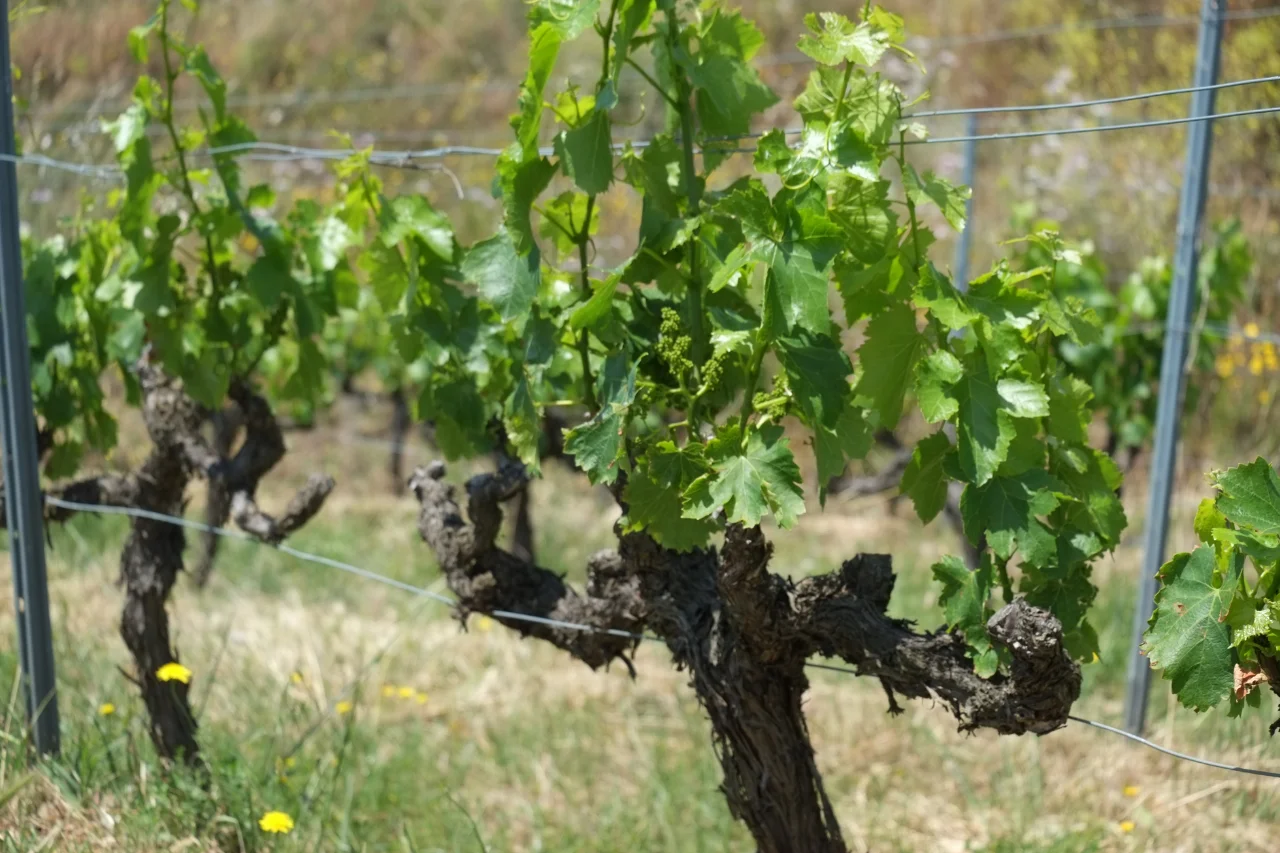
In the world of wine, the concept of “old vines” is automatically connected to the value and prestige of a wine, and it is no coincidence. From a certain age, vines undergo biological changes that directly affect the result of the wine.
Although there is no exact age, they are considered “old vines” when vines are more than approximately 35 years old.
Characteristics
When the vine ages, substantial changes occur in its development:
Decrease in production: naturally the vine decreases its vigor and yield and makes it less profitable. However, nutrients, sugars and other compounds are better concentrated and the grapes become much richer. The result is deeper and more concentrated wines with the capacity for long aging.
Deep roots: with age, the vines develop a very deep and branched root system, which allows them to access subsoil layers that are richer in minerals. In addition, the extension of the roots allows the plant to survive better in the absence of water.
Natural balance: compared to younger vines, old vines prioritize fruit ripening over leaf growth, thus giving very expressive grapes.
Impact on the wine
Thanks to the evolution of the plant, wines made from “old vines” have greater aromatic complexity, that is, deeper, more intense and defined aromas, capable of continuing to evolve for years.
However, the fact that a vineyard is old is important, but it is not decisive. The final quality of the wine also depends on other factors such as the soil, the climate of the area, the grape variety and how the vineyard has been worked.