
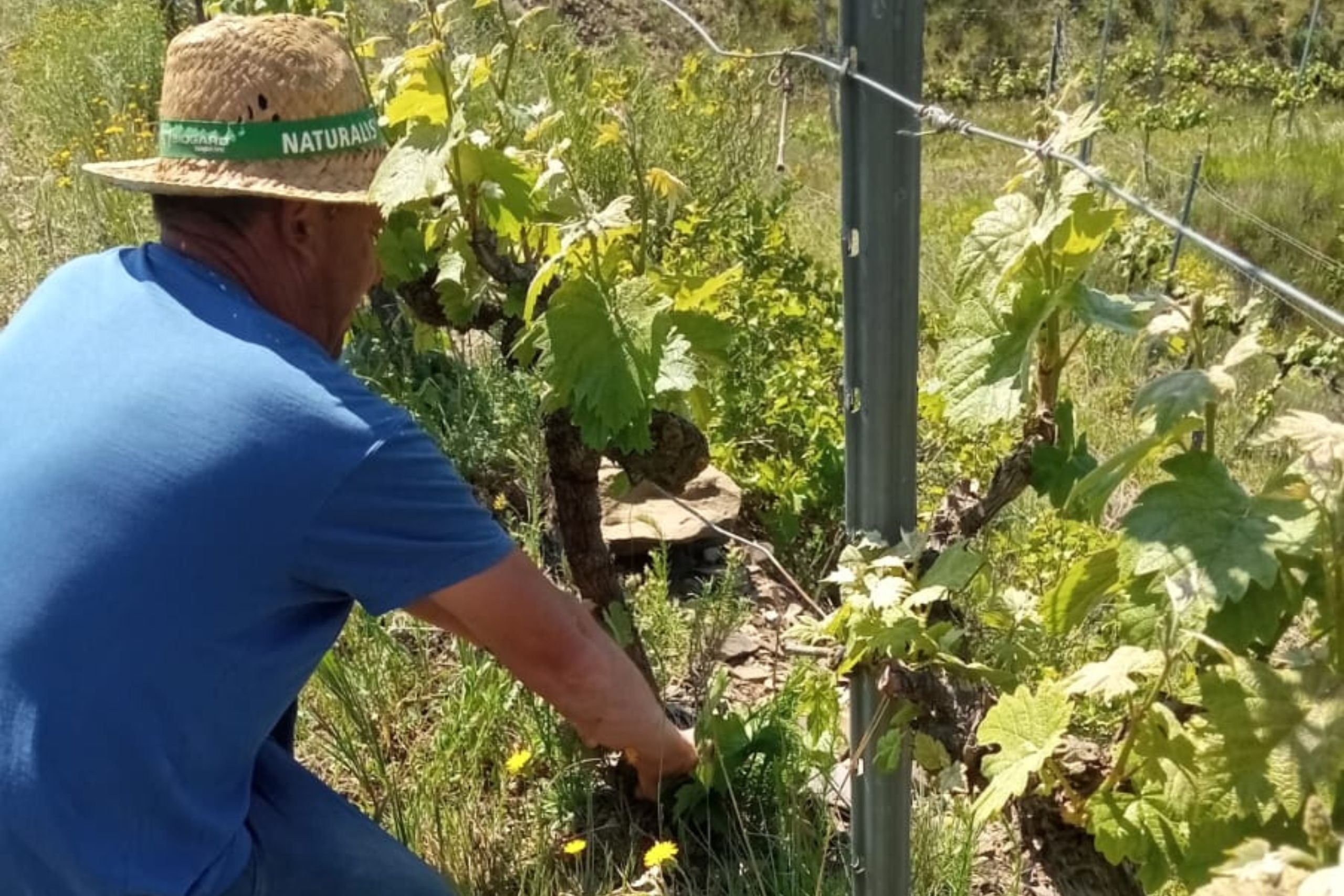
With the awakening of the vine during the spring months, a critical period also begins in terms of pests and diseases of the vine, since the increase in temperatures and humidity favors the proliferation of insects and fungi that can attack the new shoots that are just beginning to appear.
In organic vineyards, pest control is mainly approached from a preventive perspective. This means that the basic objective is to minimize the risk of the vine suffering damage through proactive measures before the first signs of disease appear, and this is achieved by carrying out maintenance tasks throughout the vineyard cycle.
Key strategies for organic pest management
Cultivation and soil management: proper pruning and defoliation improve the ventilation of the vine and favor the entry of sunlight. In this way we reduce the probability of infection by fungi such as powdery mildew or mildew, thanks to the reduction of humidity. Plant covers can also act beneficially if they are managed well, since they encourage the proliferation of natural predatory organisms of pests and allow a more balanced ecosystem to be achieved.
Biological and biotechnical control: the first consists of using living organisms to combat pests directly, such as parasitic wasps that attack grape moths, a pest that can be very harmful to the vineyard. Biotechnical methods include sexual confusion using pheromone diffusers to confuse males, thus preventing them from locating females and being unable to reproduce.
Phytosanitary treatments with natural products, of mineral or plant origin: it is the application of products permitted by organic regulations to deal with pests and diseases of the vineyard. Among these products we find sulfur, used to treat powdery mildew, and copper to treat mildew, among others.
Controlling these pests in an ecological way prioritizes sustainability and biodiversity to deal with diseases, without this implying the use of chemical, synthetic or harmful products for the vineyard.